Leaving Neverland: A Deep Dive into the Documentary That Shook the World
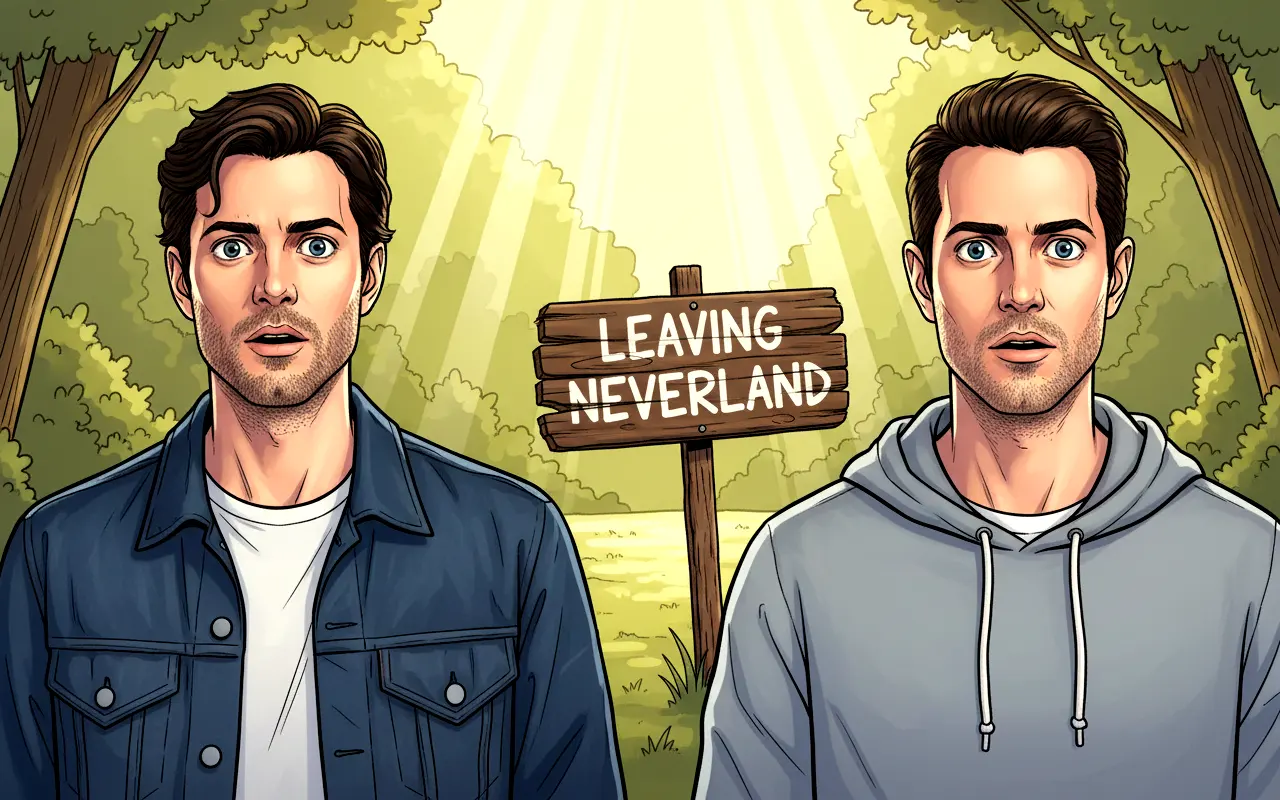
When Leaving Neverland first aired, it didn’t simply enter the cultural conversation – it detonated right in the middle of it. Released as a two-part documentary by director Dan Reed and Amos Pictures, it quickly became one of the most talked‑about and divisive pieces of television in recent memory. The film centres on the experiences of Wade Robson and James Safechuck, two men who allege that Michael Jackson groomed and sexually abused them as children. Their accounts, told in painstaking detail, reignited global debate about Jackson’s private life, his relationships with young boys, and the uncomfortable gap between celebrity myth and human reality.
Despite the controversy, the documentary went on to win major awards, including an Emmy for Outstanding Documentary or Nonfiction Special. It also sparked fierce backlash from the Jackson estate, family members, and fans, who argued that the film was one‑sided, misleading, or outright false. Whether one believes the allegations or not, Leaving Neverland undeniably reshaped public understanding of the pop star’s legacy and forced many to confront questions they had long avoided.
This article explores the documentary’s content, its reception, the legal battles that followed, and why it remains so difficult to watch today.
A Documentary That Pulled No Punches
Leaving Neverland focuses almost entirely on the testimonies of Wade Robson and James Safechuck, both of whom met Michael Jackson as children in the late 1980s and early 1990s. Jackson, at the height of his fame, was known for forming close friendships with young boys, often inviting them and their families into his world of concerts, hotels, private jets, and the now‑iconic Neverland Ranch.
The documentary does not rely on sensational editing or dramatic reenactments. Instead, it gives Wade and James the space to speak plainly and at length about their experiences. They describe how Jackson allegedly groomed them: showering them with affection, gifts, and attention; isolating them from their families; and creating an atmosphere in which they felt special, chosen, and deeply loyal to him. Both men allege that the abuse continued for years, ending only when they reached their mid‑teens and were gradually replaced by younger boys.
Wade claims the abuse began when he was seven and continued until he was fourteen. James alleges that his abuse began at ten and ended at fourteen. Their stories are told alongside interviews with their families, who describe how they were drawn into Jackson’s orbit, how they trusted him implicitly, and how they later struggled with guilt and disbelief when the truth emerged.
The documentary also includes archival footage of other boys who were close to Jackson, such as Brett Barnes and Macaulay Culkin. Their inclusion is not to accuse them, but to illustrate the pattern Wade and James describe: intense friendship, sudden distance, and the emotional fallout that followed.
A Global Release and a Global Reaction
The documentary premiered on Channel 4 in the UK before airing on HBO in North America. It was later shown on various platforms worldwide, including Amazon, Netflix, and regional broadcasters. The reaction was immediate and intense. Viewers were shocked not only by the allegations themselves but by the sheer amount of time Jackson spent alone with young boys – days, nights, and extended trips without parental supervision.
Even those who were unsure about the truth of the allegations often agreed on one point: Jackson’s behaviour, as described, was deeply inappropriate. Many radio stations temporarily removed his music from their playlists, and social media erupted into a mixture of outrage, disbelief, and fierce defence of the singer.
The Jackson estate responded swiftly, condemning the documentary as a “public lynching” and accusing the filmmakers of ignoring evidence that contradicted the allegations. Jackson’s family members echoed these sentiments, and fans launched online campaigns to discredit Wade, James, and Dan Reed. Before the documentary even aired, misinformation and conspiracy theories were already circulating, attempting to undermine its credibility.
The Legal Battle With HBO
One of the most unusual aspects of the documentary’s aftermath was the legal fight between the Jackson estate and HBO. The estate argued that a decades‑old contract relating to Jackson’s Dangerous tour prevented HBO from airing anything that portrayed him negatively. HBO countered that the contract was long expired, especially given that Jackson himself had passed away.
The dispute went to private arbitration, and although the details were never publicly disclosed, something notable happened: HBO quietly removed Leaving Neverland from its platform in 2024, despite having a long‑term distribution agreement with Amos Pictures. While this strongly suggests that the estate prevailed in arbitration, it does not reflect on the documentary’s accuracy. The case revolved around contractual obligations, not the truthfulness of the allegations.
Inside the Documentary: Families, Fallout and Emotional Truths
One of the most striking elements of Leaving Neverland is the involvement of the families. Wade’s mother, Joy Robson, appears extensively, as do his sister Chantal, his grandmother, his wife Amanda, and his brother Shane. They describe how Jackson became a central figure in their lives, how they trusted him completely, and how they later grappled with the realisation that they had unknowingly allowed Wade to be placed in harm’s way.
James Safechuck’s mother, Stephanie, also gives emotional interviews, reflecting on her guilt and the ways in which Jackson manipulated not only her son but the entire family dynamic. James’s wife, Laura, discusses the long‑term impact the alleged abuse had on their relationship and his mental health.
The documentary does not attempt to provide a balanced “for and against” structure. Instead, it presents the men’s stories in full, allowing viewers to judge for themselves. This approach was praised by some for its honesty and criticised by others for its lack of counterarguments. But the filmmakers were clear: the documentary was not a courtroom; it was a platform for two men to tell their stories.
Public Shock and the Reassessment of a Legend
For many viewers, the most disturbing revelation was not the allegations themselves – which had circulated in various forms since the early 1990s – but the sheer normalisation of Jackson’s relationships with young boys. The documentary highlights how often he spent nights alone with them, how frequently he travelled with them without their parents, and how easily he integrated himself into their family lives.
Even those who remained sceptical of the allegations found it difficult to justify the level of access Jackson had to children. The documentary forced a reassessment of behaviour that had long been dismissed as “eccentric” or “childlike”, prompting uncomfortable questions about how fame can shield individuals from scrutiny.
Why the Documentary Is Now Hard to Find
Despite its impact, Leaving Neverland has become surprisingly difficult to watch online. It has vanished from several major platforms, often without any explanation. In reality, this is most likely due to licensing terms. Just like any other film, documentaries do not remain on streaming services indefinitely. When a broadcaster or streaming platform adds a title to its library, it must pay the creator a licensing fee, and that fee grants the right to show the film for a set period. Once that period expires, the platform must either renew the licence or remove the film.
Given that Leaving Neverland was released in 2019, it has enjoyed a long run on major platforms and has been viewed by millions. However, it is now becoming increasingly rare, and an entire new generation probably has no idea it even exists — which is rather sad.
Conclusion
Leaving Neverland remains one of the most significant and controversial documentaries of the past decade. It challenged long‑held assumptions about one of the world’s most famous entertainers, sparked global debate, and forced many to confront uncomfortable truths about power, celebrity, and the vulnerability of children.
Whether one believes Wade Robson and James Safechuck or not, the documentary undeniably changed the conversation. It highlighted the importance of listening to survivors, examining the behaviour of powerful individuals, and questioning narratives that have been accepted for far too long.
If you haven’t seen it yet, the links below allow you to watch both parts. Whatever your perspective, it is a documentary that deserves to be seen, discussed, and understood.
Enjoy, and make up your own mind.
Part 1
Part 2